
Why La Rochelle Is Your Perfect French Atlantic Sailing Base
✅ Pros
- Comprehensive coverage of the topic
- Practical advice based on real-world experience
- Actionable tips you can apply on your next sail
❌ Cons
- Some advice may not apply to all boat types
- Conditions vary by region and season
- Always consult local regulations before offshore passages
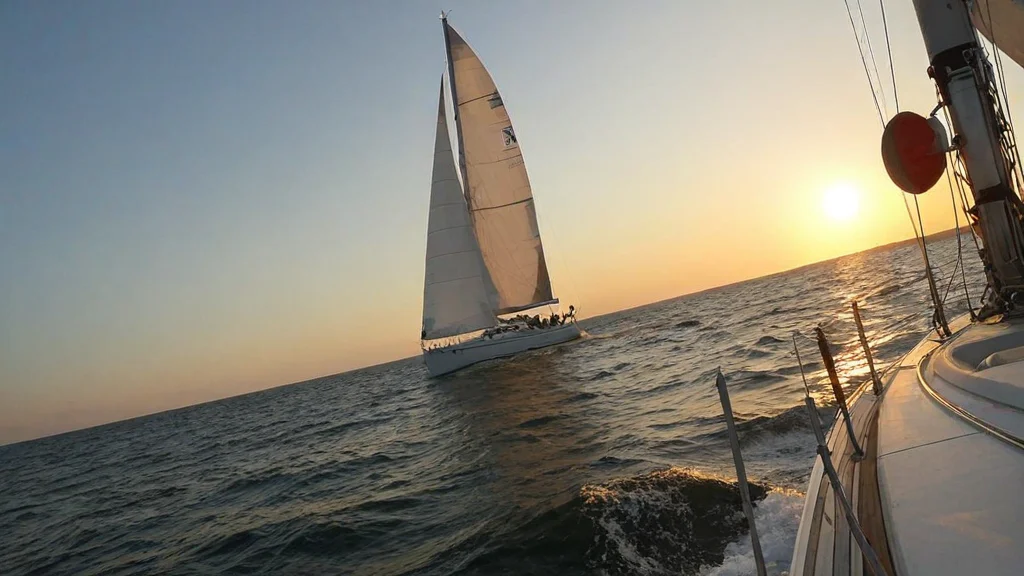
La Rochelle, on France’s Atlantic coast, is a sailor’s dream destination. This historic port city offers protected harbors, excellent marina facilities, and direct access to the stunning Île de Ré and Île d’Oléron archipelagos. The combination of reliable summer winds, picturesque anchorages, and vibrant maritime culture makes La Rochelle an ideal starting point for a memorable week of sailing.
The Vieux Port (Old Port), with its medieval towers and bustling yacht-filled quays, provides a dramatic backdrop for your sailing adventure. Modern Les Minimes marina offers top-notch facilities, chandleries, and yacht services, ensuring you’re well-prepared before setting sail.
⚓ Expert Tip: Register your EPIRB and PLB with your national maritime authority. An unregistered beacon slows rescue response significantly.
Essential Gear for Your La Rochelle Adventure
Before embarking on your La Rochelle sailing itinerary, ensure you have the right equipment. The Atlantic waters around these French islands can be challenging, so preparation is key.
Navigation and Electronics
Reliable navigation is non-negotiable when sailing between La Rochelle’s islands. The currents between Île de Ré and Île d’Oléron can reach 4 knots, and tidal ranges up to 6 meters demand careful planning.
Garmin GPSMAP 1042xs Chartplotter
A high-performance chartplotter with built-in sonar and connectivity. The 10-inch display provides clear chart detail for navigating the intricate channels around La Rochelle’s islands. Pre-loaded BlueChart g3 charts cover French Atlantic coastal waters.
- 10-inch high-resolution display
- Pre-loaded France BlueChart g3 charts
- Built-in sonar and GPS antenna
- Connects to Garmin autopilot and radar systems
Standard Horizon GX2400 VHF Radio with AIS
Communication and safety combined in one compact unit. The GX2400 receives AIS targets, displaying other vessels’ positions, courses, and speeds—critical visibility in the busy shipping lanes approaching La Rochelle’s commercial port.
- DSC and AIS target display
- NMEA 0183 and 2000 connectivity
- 25 watts output power
- Built-in GPS receiver
Safety Equipment
Safety should never be compromised, especially when sailing in Atlantic waters where conditions can change rapidly.
ACR PLB-375 ResQLink+ Personal Locator Beacon
A compact, reliable PLB that could save your life in an emergency. Register with French authorities before departure. The ResQLink+ transmits on 406 MHz with 121.5 MHz homing signal, alerting rescue services within minutes of activation.
- 66-channel GPS for precise location
- 5-year battery life
- Waterproof to 5 meters
- Compact and buoyant
Musto MPX Offshore Life Jacket
A premium inflatable life jacket designed for serious sailing. The MPX integrates seamlessly with Musto’s foul weather gear, providing unobtrusive protection that doesn’t compromise mobility during deck work.
- Automatic inflation with manual override
- ISO 12402-3 certified
- Lightweight and comfortable
- Designed for offshore use
Product Comparison
| # | Product | Best For | Price |
|---|---|---|---|
| 1 | Garmin GPSMAP 1042xs Chartplotter | General use | Check → |
| 2 | Standard Horizon GX2400 VHF Radio with AIS | General use | Check → |
| 3 | ACR PLB-375 ResQLink+ Personal Locator Beacon | Emergency | Check → |
| 4 | Musto MPX Offshore Life Jacket | General use | Check → |
| 5 | Gill Championship Sailing Gloves | DIY/OctoPrint | Check → |
| 6 | Steiner Marine Binoculars with Compass | General use | Check → |
Personal Gear
The right personal equipment keeps you comfortable and safe throughout your La Rochelle adventure.
Gill Championship Sailing Gloves
Protect your hands during frequent sail handling. Atlantic sailing demands good grip, especially when wet. These gloves provide excellent dexterity for sheet work, winch grinding, and knot tying.
- Amara palm reinforcement
- Pre-curved fingers
- Quick-dry materials
- Durable construction
Steiner Marine Binoculars with Compass
Professional-grade marine binoculars with integrated compass and range reticle. Essential for navigation markers, identifying other vessels, and spotting approaches to La Rochelle’s harbor entrances from a distance.
- 7×50 magnification
- Built-in magnetic compass
- Range reticle for distance estimation
- Fully waterproof and nitrogen-filled
Day 1-2: La Rochelle Harbor Exploration and Preparation
Arriving at La Rochelle
La Rochelle is easily accessible by train from Paris (3 hours) or by car via the A10 autoroute. The city’s Les Minimes marina offers dedicated visitor berths with water and electricity. Upon arrival, check in at the marina office, obtain your berth card, and familiarize yourself with marina facilities.
Exploring La Rochelle’s Historic Port
Walk the medieval Vieux Port, flanked by the iconic Saint-Nicolas and Chaîne towers—these 14th and 15th century fortifications guarded the city from English invasion. The port remains a working harbor, with fishing boats, pleasure craft, and the occasional tall ship moored alongside. Enjoy fresh seafood at one of the many waterfront restaurants; the catch of the day is always an excellent choice.
Provisioning and Chanderly Shopping
La Rochelle’s maritime district offers excellent chandleries. Visit Chausson Équipement for marine electronics, rigging, and safety gear. For provisions, the Marché Central (central market) offers fresh produce, bread, and local specialties. Stock up on: fresh oysters from Marennes-Oléron, local cheese (Charentais, goats’ cheeses), Charcuterie, regional wine (Pineau des Charentes, cognac, local wines), fresh bread and pastries.
Boat Preparation and Safety Check
Before departure, conduct a thorough safety check. Verify engine operation, test navigation electronics, inspect sails and rigging, and ensure safety equipment is accessible and functional. Familiarize yourself with local charts and tide tables—essential for planning passages through tidal waters.
Day 3-4: Sailing to Île de Ré
The Passage: La Rochelle to Saint-Martin-de-Ré
Depart La Rochelle in the morning when tidal currents are favorable. The 15 nautical mile passage to Saint-Martin-de-Ré typically takes 2-3 hours depending on wind conditions. Head west-northwest from La Rochelle, passing between the îles d’Aix and Ré. The route is well-marked with navigation buoys, but attention is required due to strong tidal currents through the Pertuis Breton strait.
Navigation Notes:
- Tides: Plan your departure to avoid maximum current opposing your course
- Commercial traffic: Stay clear of shipping lanes approaching La Rochelle’s commercial port
- Navigation aids: Follow the buoyed channel carefully, especially in reduced visibility
Anchoring at Saint-Martin-de-Ré
Saint-Martin-de-Ré, on Île de Ré’s north coast, offers a well-protected harbor. Options include the marina (if space available) or anchoring in the outer harbor. The harbor dries partially at low tide—check depths carefully if anchoring. Saint-Martin’s fortified citadel, designed by Vauban, dominates the port and provides a dramatic backdrop.
Exploring Île de Ré
Île de Ré, connected to the mainland by a bridge, offers pristine beaches, charming villages, and excellent cycling paths. Rent bicycles (widely available at the marina) and explore the island’s flat terrain. Highlights include:
La Flotte-en-Ré
A picturesque village with colorful houses, a medieval market hall, and a vibrant café scene. The port here offers sheltered anchorage and excellent seafood restaurants. Walk the cobblestone streets, visit the 14th century Saint-Catherine church, and enjoy an aperitif at one of the many cafés facing the port.
Sainte-Marie-de-Ré
Famous for its salt marshes, Sainte-Marie produces the prized fleur de sel sea salt. Visit the salt pans, observe traditional harvesting methods, and purchase artisanal salt products. The village offers a relaxed, authentic French coastal experience.
Les Portes-en-Ré
Located on Île de Ré’s western tip, this village offers spectacular Atlantic beaches and the Phare des Baleines (Whale Lighthouse). Climb the lighthouse for panoramic views of the island and surrounding waters. The beaches here are ideal for swimming, surfing, or simply relaxing.
Sailing Around Île de Ré
For experienced sailors, circumnavigating Île de Ré is an excellent day sail. The 45 nautical mile route offers diverse sailing conditions: Atlantic swells on the western coast, challenging tidal currents through the Pertuis straits, and sheltered waters on the eastern side. Allow a full day and plan for changing conditions.
Day 5-6: Île d’Oléron and Fort Boyard
The Passage: Île de Ré to Île d’Oléron
Sail south from Île de Ré to Île d’Oléron, France’s second-largest island (after Corsica). The 25 nautical mile passage takes 3-4 hours. The route passes near the iconic Fort Boyard, a 17th-century fortress between the two islands. This star-shaped fort, famous from television shows, is an impressive sight from the water.
Navigation Notes:
- Tides: Strong currents through the Pertuis d’Antioche require careful timing
- Commercial traffic: The shipping lane to Rochefort’s port passes nearby
- Weather conditions: The Atlantic exposure between the islands can be rough in strong winds
Anchoring at Île d’Oléron
Île d’Oléron offers multiple anchoring options:
Saujon (East Coast)
Well-protected anchorage in the bay south of the port. Good holding in sand/mud. The village offers basic provisions, but limited yacht facilities.
La Tremblade (North Coast)
Protected anchorage in the oyster beds. This area is famous for oyster farming—the Marennes-Oléron basin produces France’s finest oysters. Visit the oyster farms, sample fresh oysters, and learn about traditional oyster cultivation.
Le Château-d’Oléron (North-East Coast)
The most developed port on Île d’Oléron, offering marina berths and visitor moorings. The town has a historic citadel, charming streets, and good restaurants. Excellent base for exploring the island’s northern half.
Exploring Île d’Oléron
Île d’Oléron is larger and wilder than Île de Ré, with more space to explore. Highlights include:
Fort Boyard
This imposing 17th-century fortress, built on a sandbank between Île de Ré and Île d’Oléron, is one of France’s most iconic maritime landmarks. Originally designed to protect Rochefort’s naval arsenal, the fort was never used for its intended purpose. Today, it’s a tourist attraction and filming location. The fort is not open to the public, but it can be viewed from the water during your passage between the islands.
Chassiron Lighthouse
At Île d’Oléron’s northern tip, this 46-meter lighthouse offers panoramic views of the Atlantic and the surrounding islands. The climb (254 steps) is worth it for the spectacular vistas. The lighthouse museum explains the history of navigation and the fortification of the French Atlantic coast.
Forêt de Saint-Trojan
A maritime pine forest on the island’s western side. This protected forest offers hiking trails, wildlife viewing, and a peaceful respite from the coast. The forest is home to deer, wild boar, and numerous bird species.
Beaches and Surfing
Île d’Oléron’s western coast offers excellent surfing beaches. Plage de la Giraudière and Plage des Huttes are popular with surfers. For swimming, the eastern coast’s beaches are more sheltered and family-friendly.
Day 7: Return to La Rochelle
The Return Passage
Sail north from Île d’Oléron back to La Rochelle, approximately 20 nautical miles. Plan your departure to work with the tide through the Pertuis straits. The return journey offers different perspectives on the islands and the mainland coast.
Farewell Dinner in La Rochelle
Before departing La Rochelle, enjoy a farewell dinner at one of the Vieux Port’s excellent restaurants. Try the regional specialties: Marennes-Oléron oysters, Moules-frites (mussels and fries), Charentais melon with local ham, and for dessert, Île de Ré’s famous tarte au citron (lemon tart). Pair with local wine: Charente cognac, Pineau des Charentes, or wines from the nearby Bordeaux region.
Sailing Conditions and Weather
Wind Patterns
The Atlantic coast around La Rochelle experiences predominantly westerly winds. Summer months (June-September) offer the most reliable sailing conditions, with moderate sea breezes (10-15 knots) and predictable patterns. Spring and fall can bring stronger winds and more variable conditions.
Tides and Currents
Tidal ranges in this area are significant—up to 6 meters between high and low water. The tidal currents through the Pertuis straits can reach 4 knots. Always consult tide tables and plan passages accordingly. Current atlases (Reeds Almanac) provide detailed current predictions.
Weather Windows
Summer weather is generally stable, but Atlantic lows can bring sudden changes. Monitor weather forecasts (Météo-France) daily. Keep an eye on barometric pressure and sea state forecasts. Allow flexibility in your itinerary for weather-related delays.
Marina Services and Facilities
Les Minimes Marina, La Rochelle
France’s largest marina with over 4,000 berths. Excellent facilities include: water and electricity at each berth, shower and laundry facilities, fuel dock, chandleries and marine services, restaurants and cafés, proximity to city center.
Saint-Martin-de-Ré Marina
Smaller but well-equipped marina with: visitor berths (advance reservation recommended in summer), basic marine services, restaurants and cafés, proximity to town center.
Le Château-d’Oléron Marina
Developed marina on Île d’Oléron’s north-east coast with: visitor moorings, fuel dock, basic marine services, shops and restaurants, proximity to beaches and town center.
Practical Tips for Your La Rochelle Adventure
Language
While many people in the sailing community speak English, some French is helpful. Basic phrases and courteous French greetings are appreciated. The French maritime tradition is strong, and understanding French sailing terminology can be advantageous.
Currency
Euros (€). Credit cards are widely accepted in marinas and restaurants. However, cash is useful for smaller purchases, markets, and some rural locations.
Provisioning
Stock up on provisions in La Rochelle before departure—selection is better and prices more reasonable than on the islands. Local markets offer fresh produce, while supermarkets provide staples. Don’t forget to try regional specialties!
Regulations and Formalities
Sailing within French waters requires no special formalities for EU citizens. Non-EU citizens should ensure they have the appropriate visas. Ensure your vessel registration and insurance documents are up to date and accessible.
Extending Your Itinerary
If you have more than a week, consider extending your La Rochelle adventure:
Sail South to Royan
From Île d’Oléron, sail south to Royan (25 nautical miles). This resort town on the Gironde estuary offers beaches, a casino, and excellent seafood restaurants. The passage includes navigating the estuary’s currents and shipping lanes.
Sail North to Les Sables-d’Olonne
From La Rochelle, sail north to Les Sables-d’Olonne (30 nautical miles). This famous resort town hosts the Vendée Globe race start and has excellent marina facilities. The passage passes through challenging tidal waters—plan carefully.
Explore the Charente-Maritime Coast
The mainland coast between La Rochelle and the Gironde estuary offers charming fishing villages, oyster beds, and excellent anchorages. Rochefort, with its historic naval dockyard, is worth a visit.
Sustainable Sailing Practices
La Rochelle’s islands are sensitive ecosystems. Practice sustainable sailing: respect marine life and seabirds, use designated anchorages to protect seagrass beds, dispose of waste properly—use marina facilities, minimize water usage when not in port, use environmentally-friendly cleaning products, support local businesses and sustainable fisheries.
Final Preparation Checklist
Before setting sail from La Rochelle, verify: Navigation electronics are functioning and charts are up to date, Safety equipment (PFDs, PLB, flares, liferaft) is accessible and in date, Engine maintenance is current, Sails and rigging are in good condition, Provisions and water are adequate for planned passages, Weather forecasts have been checked, Tide tables and current predictions are available, Marina reservations are confirmed (especially in summer), Vessel documentation and insurance are in order, Crew are briefed on safety procedures and emergency plans.
Conclusion: Your La Rochelle Adventure Awaits
A week of sailing from La Rochelle offers the perfect introduction to France’s Atlantic coast. The combination of historic ports, charming islands, reliable sailing conditions, and excellent cuisine creates an unforgettable experience. Whether you’re an experienced sailor or relatively new to coastal cruising, La Rochelle provides a safe and rewarding destination.
With the right equipment and preparation, your La Rochelle sailing itinerary will be safe, comfortable, and filled with memorable moments. The maritime culture of this region is deep and welcoming—you’ll find yourself planning a return visit before you’ve even left the harbor.
Bon voyage!
Internal Links to Related Articles
Before your La Rochelle adventure, equip yourself with the right gear. Check out our comprehensive guide to sailing gloves and foul weather gear to stay comfortable in Atlantic conditions.
Navigation safety is paramount when sailing these tidal waters. Our guide to the s-and-plbs-that-could-save-your-life/”>best emergency beacons explains why a PLB or EPIRB is essential for offshore sailing.
For extended passages around the islands, marine solar panels can keep your batteries charged without shore power.
Reliable communication is critical—our VHF radios with AIS guide helps you choose the right equipment for visibility in busy shipping lanes.
Looking for more French sailing destinations? Our -shelter-2026/”>Mediterranean anchorage guide provides shelter options for when the Mistral howls.
Recommended Products
- Garmin GPSMAP 1042xs Chartplotter
- Standard Horizon GX2400 VHF Radio with AIS
- ACR PLB-375 ResQLink+ Personal Locator Beacon
- Musto MPX Offshore Life Jacket
- Gill Championship Sailing Gloves
- Steiner Marine Binoculars with Compass
As an Amazon Associate, we earn from qualifying purchases at no extra cost to you.
Où Acheter
Voir le prix → on Amazon
Voir le prix → Garmin GPSMAP 1042xs Chartplotter
Voir le prix → Standard Horizon GX2400 VHF Radio with AIS
Voir le prix → ACR PLB-375 ResQLink+ Personal Locator Beacon
Voir le prix → Musto MPX Offshore Life Jacket
En tant que Partenaire Amazon, nous gagnons des commissions sur les achats qualifiants.
